8 Signs It’s Time to Repaint Your Interiors (Before It Costs You More Later)

Your home’s interior paint does more than just look pretty on the walls. It protects your surfaces, maintains your property value, and creates the atmosphere you want to live in. But knowing when to refresh that paint job isn’t always obvious until it becomes expensive to ignore.
Most homeowners wait too long to repaint, thinking they’re saving money. The reality? Delaying interior painting can lead to surface damage, higher repair costs, and a home that feels tired and outdated. Professional painters and property managers see this pattern repeatedly: small paint touch-ups that could have cost hundreds turn into major renovations costing thousands.
The good news is that interior paint gives you plenty of warning signs before things get serious. Whether you’re a homeowner wanting to maintain your property or a property manager overseeing multiple residences, recognising these eight key indicators will help you time your repainting projects perfectly and save money in the long run.
- Visible Wear and Scuff Marks That Won’t Clean Away
High-traffic areas tell the story of your home’s daily life. Hallways, staircases, and children’s rooms take the biggest beating, showing scuff marks, scratches, and general wear that accumulates over time.
When these marks resist your usual cleaning methods, it’s your paint signalling that its protective qualities are wearing thin. Fresh paint in these areas not only looks better but provides a renewed protective barrier against future damage.
Quick test: Try cleaning a scuff mark with a damp cloth and mild detergent. If it doesn’t budge or if the cleaning process removes more paint than dirt, it’s time to repaint that area.
- Fading and Colour Changes throughout Your Space
Even interior paint fades over time, especially in rooms with large windows or areas that receive direct sunlight. What once looked vibrant and fresh gradually becomes dull and uneven.
This fading happens so gradually that many homeowners don’t notice until they move furniture or artwork and see the dramatic difference in colour underneath. UV rays, artificial lighting, and even normal aging of paint pigments contribute to this slow transformation.
Property managers often spot this issue when conducting routine inspections, comparing rooms that receive different amounts of light exposure throughout the day.
- Cracks, Peeling, or Bubbling Paint Surfaces
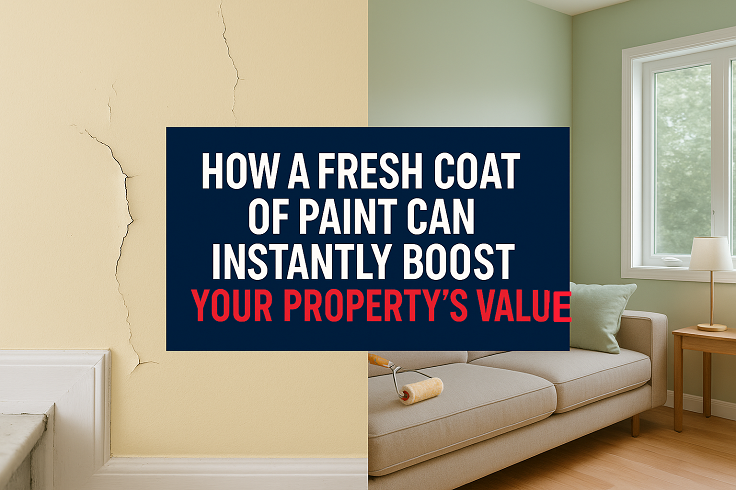
When paint starts separating from the wall, you’re looking at more than just a cosmetic issue. Peeling, cracking, or bubbling paint indicates underlying problems that need immediate attention.
These issues often start small a tiny crack near a window frame or a small bubble in a bathroom corner. Left unchecked, they expand and allow moisture to penetrate the wall surface, potentially causing structural damage that’s far more expensive to repair than simple repainting.
Immediate action required: Areas with peeling or bubbling paint should be addressed quickly, especially in moisture-prone areas like kitchens and bathrooms.
- Outdated Colour Schemes Affecting Your Property Value
Interior design trends evolve and what looked stylish five years ago might now feel dated. While personal taste varies, certain colour choices can significantly impact your home’s appeal and market value.
Bold feature walls, heavy dark colours throughout multiple rooms or colour combinations that feel distinctly tied to a particular era can make your home feel stuck in the past. This particularly matters for property managers preparing units for new tenants or homeowners considering selling.
Modern buyers and tenants often prefer neutral, versatile colour palettes that allow them to visualise their own belongings in the space.
- Poor Paint Coverage and Visible Brush Marks
Quality paint jobs should look smooth and even, without visible brush strokes, roller marks, or patchy coverage. When these imperfections become obvious, they create an overall impression of poor maintenance.
This issue often develops gradually as paint ages and loses its original smooth finish. Environmental factors, cleaning, and normal wear can cause the paint film to become uneven over time.
Professional painters from Paintbusters Australia regularly see homes where previous DIY paint jobs or rushed professional work creates these coverage issues, requiring proper preparation and application to achieve a quality finish.
- Difficulty Cleaning Walls without Damage
Modern interior paints are designed to be washable and durable. When you find yourself unable to clean everyday marks and stains without damaging the paint surface, you’re dealing with paint that’s reached the end of its functional life.
This is particularly important in homes with children, pets, or high-use areas like kitchens and bathrooms. Paint should protect your walls while remaining easy to maintain.
Test your current paint: Try gently cleaning a small, inconspicuous area. If the paint comes off on your cleaning cloth or if gentle pressure causes damage, it’s time for a refresh.
- Persistent Odours That Cleaning Can’t Eliminate
Over time, interior paint can absorb odours from cooking, pets, smoking, or general household activities. When these smells become embedded in the paint film itself, no amount of cleaning or air freshening will eliminate them completely.
This issue is common in rental properties where different tenants’ lifestyles have contributed various odours over time. Property managers often find that repainting is the only effective solution for creating a fresh, neutral-smelling environment.
Fresh paint acts as a barrier, sealing in old odours while providing a clean slate for new occupants or your family’s continued enjoyment of the space.
- Stains and Discolouration That Won’t Respond to Treatment
Some stains go beyond surface level, penetrating into the paint and sometimes the wall material itself. Water stains, crayon marks, food splatters, or other substances can create permanent discolouration that affects the entire room’s appearance.
These stains often start small but become more noticeable over time, especially as the surrounding paint ages and the contrast becomes more apparent. Professional stain-blocking primers and quality paint can address these issues while preventing future staining.
Important note: Before repainting over stains, ensure the underlying cause has been addressed. Water stains, in particular, may indicate ongoing moisture issues that need professional attention.
When to Call Professional Painters vs DIY
While some small touch-up jobs suit the DIY approach, larger repainting projects often benefit from professional expertise. Paintbusters Australia offers both DIY consultancy services and connections to certified painting contractors, helping property owners and managers make informed decisions about their projects.
Professional painters bring several advantages:
- Proper surface preparation and priming
- Knowledge of the best paint types for specific applications
- Efficient completion of larger projects
- Quality results that last longer
- Access to trade-quality materials
For property managers overseeing multiple properties or homeowners with busy schedules, professional painting services can provide peace of mind and guaranteed results.
Take Action Before Small Problems Become Big Expenses
Recognising these eight signs early gives you the power to act proactively rather than reactively. Fresh interior paint doesn’t just improve your home’s appearance it protects your investment and maintains your property’s value.
Whether you’re planning a single room refresh or a whole-home makeover, getting accurate estimates and professional advice helps you budget effectively and achieve the best results. Paintbusters Australia’s free quote service for property owners and managers takes the guesswork out of planning your painting projects.
Don’t wait until painting problems become expensive repairs. If you’ve spotted any of these warning signs in your home, consider reaching out to painting professionals who can assess your specific situation and provide tailored recommendations. Your walls and your wallet will thank you for the proactive approach.