Is That Peeling Paint a Bigger Problem? 7 Warning Signs Your Home Needs a Paint Inspection
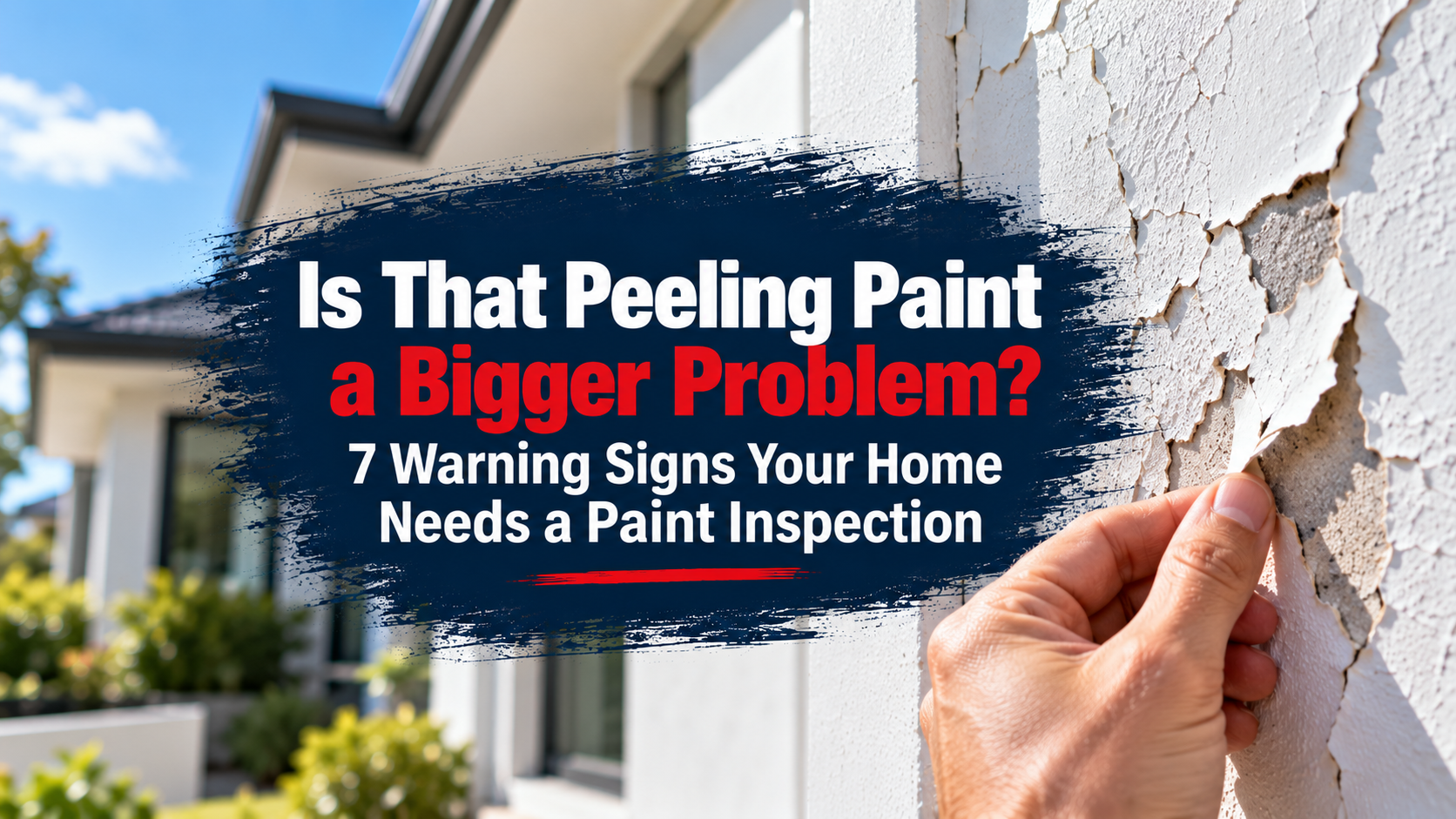
Peeling, bubbling or cracking paint is not always a simple fix. It can be linked to moisture, poor surface preparation, ageing coatings or substrate issues. A professional paint inspection assesses the condition of the paintwork and helps homeowners understand what may be contributing to the problem before they spend money repainting.
You notice paint peeling, bubbling, cracking or flaking from a wall and assume it just needs another coat of paint. It’s a reasonable assumption. Paint fails sometimes, and a fresh coat seems like the obvious fix.
The trouble is, repainting over the problem does not always address the reason the coating failed in the first place. If the underlying cause is still there, whether that’s trapped moisture, poor preparation or an incompatible previous coating, the new paint job may run into the same issue down the track.
This doesn’t mean every peeling wall points to a serious problem. Plenty of paint issues are minor and easily explained. But some are worth a closer look before you spend time and money repainting the same spot again.
Below are seven warning signs that suggest it may be worth having your paint condition professionally assessed, along with what a paint inspection actually involves and when it makes sense to book one.
Why Is My Paint Peeling?
Peeling paint can happen for a number of reasons, and the cause is not always obvious just by looking at it. Some of the more common contributing factors include:
- Poor surface preparation before the previous paint job, such as inadequate cleaning, sanding or priming
- Moisture or water exposure, which can affect how well paint adheres to a surface
- Painting over an unsuitable or unstable surface, including old, flaking or chalky coatings
- Incompatible or failing previous coatings, where newer paint doesn’t bond properly with what’s underneath
- Excessive humidity or environmental conditions, particularly in bathrooms, laundries or poorly ventilated areas
- Age and natural deterioration of the existing coating over time
- Movement or issues affecting the underlying surface, such as timber expansion or settling
The visible symptom, whether that’s peeling, bubbling or cracking, does not always tell you which of these is responsible. Peeling paint can look similar across very different causes, which is why it’s worth being cautious about assuming you know the reason without a closer look. It’s also worth saying clearly: peeling paint does not automatically mean there’s serious structural damage. In many cases, the cause is straightforward and easily addressed once identified.
7 Warning Signs Your Home May Need a Paint Inspection
If you’re dealing with a paint problem at home, these seven signs can help you work out whether it’s worth getting a professional opinion before you reach for the roller again.
1. The Paint Keeps Peeling After You Repaint
If you’ve already repainted an area once (or twice) and the same peeling has returned, that’s a sign worth paying attention to. Repainting without addressing the underlying cause often means the problem simply resurfaces, sometimes within months.
Recurring failure like this can be a good reason to investigate the condition of the surface and any existing coatings underneath. A professional paint inspection can help identify what’s actually happening beneath the surface, rather than guessing and repainting again.
2. You Notice Bubbling or Blistering Paint
Bubbling or blistering paint usually appears as small raised bumps or pockets across the painted surface, sometimes isolated to one area and sometimes spread more widely. It can look alarming, but the cause varies quite a bit from property to property.
Possible contributing factors include heat exposure, trapped moisture beneath the coating, or issues with how the paint was originally applied. Because the cause depends on the specific property and surface, it’s not something that can be reliably diagnosed just by looking at a photo. This is exactly the kind of situation where a closer assessment can be useful.
3. Paint Is Cracking, Flaking or Separating From the Surface
A few hairline cracks here and there are often just part of normal wear, particularly in older homes. But widespread or recurring cracking and flaking is a different story. When paint is visibly separating from the surface across a larger area, it’s generally worth understanding why before simply applying another coat.
Painting over cracked or flaking paint without addressing what’s causing it rarely holds up for long. The new coat is only as stable as what’s underneath it.
4. You Can See Staining or Discolouration Through the Paint
Water marks, yellowing or unusual discolouration showing through your paintwork are worth a second look. Painting over a stain might hide it temporarily, but if the source of the staining hasn’t been addressed, there’s a good chance it will reappear.
It’s important not to jump to conclusions about what’s causing a stain based on appearance alone. Staining can have a range of possible explanations, and working out which one applies to your situation usually calls for a proper look at the affected area.
5. The Same Paint Problem Keeps Coming Back
This is closely related to warning sign one, but it deserves its own mention because it’s one of the clearest indicators that something more than a quick touch-up is needed. If you’ve patched or repaired an area and the exact same issue has returned, repeating the same fix is unlikely to produce a different result.
Before repainting the area again, it may be worth understanding why the coating has failed in the first place. Rather than continuing to repaint the same patch every year or two, finding out what’s actually going on can save both money and frustration over time.
6. You Are Unsure What Is Under the Existing Paint
Older Queenslanders, weatherboard homes and properties that have changed hands a few times often come with a complicated paint history. Previous owners may have used different products, different preparation methods, or painted over issues that were never properly resolved.
If you don’t know what’s under your current paint layer, that uncertainty can make it harder to plan a repaint with confidence. A professional assessment can help provide a clearer picture of the existing condition before further work gets underway, which is particularly useful if you’re about to invest in a full repaint.
7. You Are Planning to Repaint but Something Doesn’t Look Right
If you’re gearing up for a repaint and you’ve noticed peeling, cracking, bubbling, staining or anything else that looks a bit off, it’s worth pausing before you start. Identifying the condition of the surface before painting begins can help you avoid spending money on paint and labour, only to find the same issue resurfacing a few months later.
This is often the point where a paint inspection delivers the most value. Understanding what you’re dealing with upfront means your repaint is more likely to address the actual problem, not just cover it up.
Can You Just Paint Over Peeling Paint?
This is one of the most common questions homeowners ask, and the honest answer is: not always, and not without some care.
Simply painting over loose, peeling or unstable paint may not provide a lasting solution. If the existing coating isn’t properly adhered to the surface, a new coat applied on top will likely fail in the same spot, sometimes faster than the original paint did.
Understanding the condition of the existing surface, and carrying out appropriate preparation, is an important step before repainting over any area that’s showing signs of peeling or cracking. In some cases, particularly with older homes, that preparation needs to be handled carefully. If you’re ever unsure about what you’re dealing with, it’s worth getting a professional opinion rather than disturbing the surface yourself.
What Does a Paint Inspection Look For?
A professional paint inspection assesses the visible condition of your paintwork and looks for patterns that may explain what’s going on. This typically includes:
- Condition of existing paint coatings
- Peeling and flaking
- Cracking
- Bubbling or blistering
- Surface preparation issues
- Signs of moisture related problems
- Recurring coating failure
- Areas requiring further attention
- Possible causes of visible paint deterioration
It’s worth setting realistic expectations here. A paint inspection won’t identify every hidden building or structural issue a property might have, and it’s not a substitute for a full building inspection. What it does provide is a focused, professional look at the condition of your paint and coatings, along with useful information about what’s been observed.
When Should You Get a Professional Paint Inspection?
There’s no single rule for when an inspection makes sense, but a few situations tend to come up again and again:
- Paint problems keep returning in the same spot
- Large areas are peeling or flaking
- There are signs of bubbling or blistering
- Staining continues to appear despite previous repairs
- You’re preparing for a major repaint
- You’re unsure what preparation is required before painting
- You want an independent assessment of existing paint problems
- You want to understand the condition before spending money on repainting
If any of these sound familiar, it’s a reasonable time to consider having the paintwork professionally assessed rather than guessing at the next step.
Why Fixing the Cause Matters Before Repainting
It helps to think about the difference between treating a symptom and understanding the cause. Here’s a simple way to picture it:
Problem: Paint keeps peeling.
Quick response: Paint over it and hope it holds this time.
Better approach: Understand why the coating is failing, address the relevant issue, then determine the appropriate preparation and painting approach.
The second path takes a bit more time upfront, but it’s generally a more considered way to approach a recurring paint problem. It’s worth noting that even a professional inspection can’t guarantee a permanent fix for every situation. What it can do is give you a clearer understanding of what you’re dealing with, so your next decision is based on information rather than guesswork.
Need Help With a Paint Problem?
If you’re dealing with recurring peeling, cracking, bubbling, flaking or staining, you don’t have to figure it out alone. PaintBusters Australia offers a professional paint inspection service designed to help homeowners understand what’s actually happening with their paintwork before deciding on next steps.
The process is straightforward. You request and pay for your inspection online, share some details about the problem and affected areas, then send through clear photos of the paintwork in question. From there, the team reviews your information, gives you a call to discuss what they’re seeing, and puts together a detailed report that lands straight in your inbox.
Not sure what’s causing your paint problem? Contact PaintBusters Australia to discuss a paint inspection and get a clearer picture of what’s going on before you reach for the paint roller.
Final Thoughts
Peeling paint isn’t always just a painting problem. Sometimes it’s a sign of something else going on, whether that’s moisture, surface preparation, ageing coatings or an issue with what’s underneath. Recurring or unusual paint failure is worth understanding properly, rather than repainting the same patch over and over and hoping for a different result.
If you’ve noticed any of the warning signs covered here, it may be worth exploring PaintBusters Australia’s broader consultancy services or getting in touch directly to talk through what you’re seeing. A conversation with someone who understands paintwork can go a long way towards helping you make a more informed decision about your next step, whether that’s a full repaint, some targeted repairs, or simply peace of mind that nothing more serious is going on.
Frequently Asked Questions
Why is the paint on my walls peeling?
Paint can peel for several reasons, including poor surface preparation, moisture exposure, an unstable surface underneath, incompatible previous coatings, or simply age and deterioration. The exact cause depends on the property and often requires a closer look to identify properly.
Should I paint over peeling paint?
Painting directly over loose or peeling paint may not provide a lasting result, since the new coat can fail in the same way as the old one. It’s generally best to understand the surface condition and carry out appropriate preparation before repainting.
How do I know if I need a paint inspection?
If your paint problem keeps returning, covers a large area, or you’re about to repaint and something doesn’t look right, it may be worth having the paintwork professionally assessed. A paint inspection can help clarify what’s going on before you spend money on further work.
What does a professional paint inspection check?
A paint inspection typically assesses the condition of existing coatings, including peeling, cracking, bubbling, blistering, surface preparation issues and signs of moisture related problems. It provides a professional view of the paintwork’s condition, rather than a full structural assessment.
Can a paint inspection identify why my paint keeps failing?
A paint inspection can help identify possible contributing factors behind recurring paint failure, based on what’s observed in the paintwork and surface condition. It won’t always pinpoint a single definitive cause, but it provides useful information to guide your next decision.