How Much Does It Cost to Paint a Room Yourself in Australia?
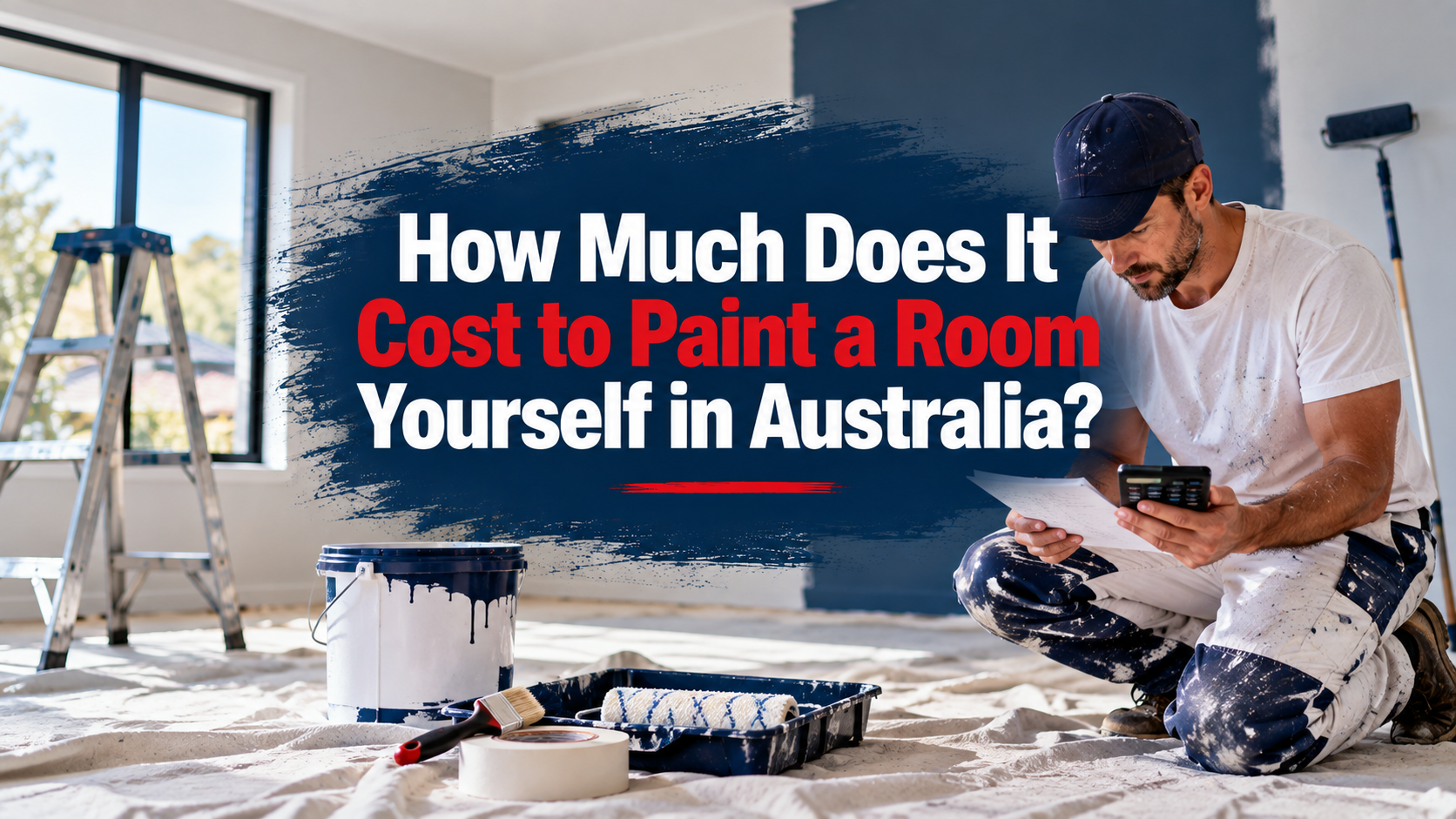
The cost to paint a room yourself in Australia typically ranges from around $150 to $600 or more, depending on room size, wall condition, paint quality and how many coats are needed. A small bedroom might only need one or two litres of paint, while a larger living space could require several litres plus primer, tools and preparation materials. Prices vary by retailer, brand and location, so it pays to get a personalised quote before you buy.
If you’re weighing up whether to paint a room yourself, cost is usually the first question on your mind. It makes sense. Nobody wants to start a painting project only to discover halfway through that they need to buy another tin of paint, a fresh roller, or extra filler for cracks they didn’t notice at the start.
The good news is that the cost to paint a room yourself in Australia is fairly manageable once you understand what actually goes into the budget. Paint is only one part of the equation. You’ll also need to think about primer, brushes, rollers, drop sheets, masking tape, sandpaper and a few other bits and pieces that keep the process smooth and the finish looking professional.
Doing the work yourself can cut down on labour costs since you’re not paying a tradesperson’s hourly rate. But materials, preparation time and a bit of trial and error still need to be factored in. This guide walks you through the real numbers, what you’ll need to buy, and how to plan a DIY painting cost Australia wide without blowing your budget or ending up short of supplies halfway through the job.
Average Cost to Paint a Room Yourself in Australia
Several factors influence the overall cost of painting a room yourself in Australia. The biggest ones are room size, the number of coats required, the condition of your walls, and the quality of paint you choose.
A small bedroom with smooth, well maintained walls will cost far less than a large living room with cracks, stains or old paint that needs sanding back. Premium paints tend to cost more upfront but often cover better and last longer, which can reduce the total number of tins needed.
Below is an illustrative cost breakdown for a small, medium and large room. These figures are approximate only. Actual prices depend on your chosen retailer, brand, location and the specific condition of your walls, so treat this as a general guide rather than a fixed quote.
| Room Size | Paint & Primer | Tools (brushes, rollers, trays) | Preparation Materials | Estimated Total |
| Small (e.g. bedroom, approx. 10m²) | $60 to $120 | $30 to $50 | $20 to $40 | $110 to $210 |
| Medium (e.g. living room, approx. 20m²) | $100 to $200 | $30 to $60 | $30 to $50 | $160 to $310 |
| Large (e.g. open plan area, approx. 30m² plus) | $150 to $300 | $40 to $70 | $40 to $70 | $230 to $440 |
Keep in mind that if you already own reusable tools like brushes, rollers and drop sheets from a previous project, your total will sit at the lower end of these ranges. If you’re painting over a dark colour or covering stains, you may need extra coats and additional paint, which pushes the estimate higher.
If you’d like a clearer picture of what your specific project might cost, PaintBusters Australia’s painting consultancy services can help you work out a realistic budget before you buy a single tin.
What Supplies Do You Need to Paint a Room?
Before you head to the hardware store, it helps to know exactly what you’re buying and why. Here’s a rundown of the essential supplies for a typical DIY interior painting project.
Interior wall paint. The main product you’ll be applying to your walls. This is a supply you’ll need to replace with every new painting project.
Primer, where required. Primer helps paint adhere properly and can block stains or previous colours from showing through. It’s not always essential, but it’s worth using on new plaster, patched areas or when making a big colour change.
Paint brushes. Used for edges, corners and detail work that a roller can’t easily reach. Good quality brushes can be cleaned and reused for future projects.
Paint rollers and roller covers. Rollers cover large wall areas quickly and evenly. The roller handle is reusable, but roller covers wear out and typically need replacing after each project or two.
Roller tray or paint bucket. Holds your paint while you’re working. A one time purchase that lasts for years with proper cleaning.
Drop sheets. Protect your flooring and furniture from splatters and drips. These are reusable if looked after.
Masking tape. Helps create clean, sharp lines along skirting boards, trims and ceilings. This is generally a one time use item per project.
Sandpaper. Used to smooth rough patches, old paint or filled areas before painting. A consumable that you’ll buy fresh for most jobs.
Wall filler and filling tools. Fills cracks, nail holes and dents so your finished wall looks smooth. Filler is a consumable, though basic filling tools can be reused.
Cleaning cloths and basic protective equipment. Includes rags for wiping up spills and items like gloves or a dust mask, especially useful when sanding older paint.
If you’re unsure which paint colour or finish suits your space, PaintBusters Australia’s colour consultancy service can help you avoid buying the wrong shade or sheen, which is a surprisingly common (and costly) mistake among first time painters.
How Much Paint Do You Need for One Room?
Working out how much paint to buy is one of the trickiest parts of budgeting for a DIY paint job. Buy too little, and you’ll be stuck mid project waiting for another trip to the store. Buy too much, and you’re left with leftover paint you didn’t need to pay for.
Here’s a simple way to estimate it. Measure the height and width of each wall to calculate the total wall area in square metres, then subtract the space taken up by windows and doors. Most paint tins list their coverage rate (how many square metres one litre will cover) on the label, so divide your wall area by that figure to get an idea of how many litres you’ll need per coat.
For example, imagine a bedroom with four walls, each roughly 3 metres wide and 2.4 metres high, giving a rough wall area of about 29 square metres after allowing for a door and window. If a paint product states it covers around 14 to 16 square metres per litre for one coat, you’d need approximately 2 litres per coat. Most walls need two coats for even, solid coverage, so you’d budget for around 4 litres in total for that room.
Keep in mind that coverage varies depending on the paint brand, the texture of your walls, whether you’re covering a similar or drastically different colour, and how you apply the paint (roller versus brush). Always check the specific coverage details on your chosen paint tin or the manufacturer’s product page rather than relying on general estimates alone.
DIY Painting Cost Breakdown: Paint, Tools and Preparation
To help you see where your money is likely to go, here’s a clearer breakdown of the main expense categories involved in a DIY interior painting project.
| Expense Category | What’s Included | Notes |
| Paint and primer | Wall paint, primer if needed | Usually the largest expense; quality affects coverage and durability |
| Brushes, rollers and trays | Brushes, roller frames, roller covers, tray | Lower cost if you already own reusable tools |
| Surface preparation materials | Sandpaper, filler, filling tools | Essential for a smooth, long lasting finish |
| Floor and furniture protection | Drop sheets, masking tape | Protects your home from mess and damage |
| Other essential supplies | Cleaning cloths, gloves, dust masks | Small cost, but easy to overlook when budgeting |
If you already own brushes, rollers, drop sheets and trays from a previous project, your costs will drop considerably since paint, primer and preparation materials become your main expenses. That said, it’s worth checking that any reused tools are still in good condition. A worn roller cover or a stiff, dried out brush can affect your final finish and end up costing you more time and paint in the long run.
It’s tempting to cut costs by skipping proper preparation or choosing the cheapest paint available, but this often backfires. Poor preparation can lead to peeling, uneven colour or a finish that needs redoing sooner than expected, which ends up costing more overall.
How to Paint a Room on a Budget
Painting on a budget doesn’t mean cutting corners. It means planning carefully so your money goes toward what actually matters. Here are some practical, responsible ways to manage your DIY painting expenses.
Measure the room before buying paint. This helps you avoid overbuying or underbuying, both of which waste money.
Check the condition of your walls before starting. Identifying cracks, damp patches or flaking paint early means you can budget for the right preparation materials from the outset.
Prepare a complete materials list. Having everything sorted before you start reduces last minute trips to the hardware store, which often lead to impulse purchases.
Reuse suitable tools that are still in good condition. There’s no need to replace brushes, rollers or drop sheets if they’re clean and functional.
Compare paint products and pack sizes. Larger tins are often more cost effective per litre than several smaller ones, provided you’re confident about the quantity you need.
Choose the right finish for the room. Different finishes (matte, satin, semi gloss) suit different rooms and levels of wear. Getting this right the first time avoids repainting later.
Avoid unnecessary purchases and material wastage. Stick to your list and resist the urge to buy extras “just in case.”
If you’re not sure which products or finishes suit your space, PaintBusters Australia’s professional painting advice can help you make confident choices without overspending.
Hidden Costs to Consider Before Starting a DIY Painting Project
Even with careful planning, some expenses tend to catch first time DIY painters off guard. Here’s what to watch for.
Repairing damaged walls. Cracks, dents or holes need filling and sanding before painting, which adds to your materials list.
Removing loose or flaking paint. Old, peeling paint needs to be scraped or sanded back for a smooth, long lasting finish.
Additional primer or coats. Covering a dark colour with a lighter one, or painting over stains, often requires extra coats or a dedicated stain blocking primer.
Replacing worn brushes and rollers. If your existing tools have seen better days, factor in the cost of new ones.
Protecting furniture and flooring. If you don’t already own drop sheets or masking tape, these are additional purchases.
Extra paint caused by changes in colour or surface condition. Textured walls or significant colour changes can use up more paint than a straightforward, similar colour repaint.
If your home was built several decades ago, it’s also worth checking for lead based paint before doing any sanding, scraping or disturbing of existing paint layers. Older properties, particularly those built before the 1970s, can contain lead paint beneath newer layers, and disturbing it without appropriate precautions can pose health risks. PaintBusters Australia’s lead paint testing service can confirm whether lead is present and advise on the safest next steps before you pick up the sandpaper.
Is DIY Painting Cheaper Than Hiring a Professional Painter?
This is one of the most common questions homeowners ask, and the honest answer is that it depends on your situation.
DIY painting generally reduces labour costs since you’re not paying for a professional’s time and expertise. For a straightforward room in good condition, this can make DIY noticeably cheaper. However, the full picture involves more than just materials versus labour.
Consider how much time you realistically have to complete the project, especially if you’re balancing it around work or family commitments. Think about your own skill level and comfort with tasks like cutting in clean lines, filling cracks properly, or achieving an even finish without roller marks. Factor in whether you’ll need to buy tools you don’t already own, and whether the room’s condition requires more preparation than a quick coat of paint.
A professional painter brings speed, experience and often their own equipment, which can be worthwhile for complex jobs, high ceilings, extensive wall damage or when you simply don’t have the time to spare. For a simple, well maintained room and a homeowner who’s happy to put in the time, DIY can offer solid value. For larger, more complex or time sensitive projects, professional help may end up being the more practical choice.
There’s no single right answer here. It comes down to weighing your budget, your available time, your comfort with the tasks involved, and the specific demands of your project.
When Can DIY Painting Consultancy Help?
Even with a clear budget and a solid plan, plenty of homeowners find themselves unsure about certain details. Which paint finish actually suits a busy family living room? How many litres will really be needed for a room with textured walls? What’s the smartest order to tackle prep, priming and painting?
This is exactly where personalised guidance can make a real difference. Rather than guessing or relying on general advice that might not suit your specific home, getting expert input before you start can help you avoid overspending, underbuying, or making product choices you’ll regret halfway through the job.
PaintBusters Australia’s DIY painting consultancy service is designed for exactly this situation. It offers personalised DIY painting advice covering material and product selection, accurate quantity estimates, the right order of tasks, and practical tips to help you avoid the common mistakes that end up costing homeowners extra time and money.
If you’re planning a painting project and want a bit of guidance planning your painting project before you commit to buying supplies, it’s worth exploring what this service can offer for your specific space.
Final Thoughts on the Cost to Paint a Room Yourself in Australia
The cost to paint a room yourself in Australia depends on a mix of factors: how big the room is, how much paint and how many coats you’ll need, the condition of your walls, the products you choose, and whether you already own the necessary tools. For most homeowners, a small to medium sized room can be painted for somewhere between $110 and $440, though your actual costs will vary based on your specific circumstances.
The best way to keep your project on budget is to plan before you buy. Measure your space, assess your walls, make a complete list of what you need, and choose products that suit the room rather than simply the cheapest option on the shelf.
If you’d like personalised support to make sure your next painting project goes smoothly and stays within budget, it’s worth exploring PaintBusters Australia’s DIY consultancy service. And if you have questions about your specific project, feel free to contact PaintBusters Australia for friendly, practical advice suited to your home.
Frequently Asked Questions
How much does it cost to paint a room yourself in Australia?
Costs typically range from around $110 for a small room to $440 or more for a larger space, covering paint, primer, tools and preparation materials. Actual costs depend on room size, wall condition and product choice, so it’s best to get a personalised estimate for your specific project.
How much paint do I need to paint a standard room?
For an average sized bedroom, you’ll generally need around 2 to 4 litres of paint for two coats, though this depends on the wall area, the paint’s coverage rate, and the surface condition. Always check the coverage information listed on your chosen paint tin.
Is it cheaper to paint a room yourself?
DIY painting usually reduces labour costs, which can make it cheaper for straightforward rooms in good condition. However, your time, skill level and the room’s complexity all affect whether DIY ends up being the most cost effective choice for your situation.
Do I need a primer before painting a room?
Primer isn’t always essential, but it’s recommended for new plaster, heavily stained walls, or when making a significant colour change. It helps paint adhere better and can improve the durability and appearance of your final coat.
What is the biggest expense when painting a room yourself?
Paint and primer are usually the largest single expense in a DIY painting project, particularly for larger rooms or when multiple coats are needed. Preparation materials and tools add to the total, though these costs are often lower if you already own reusable equipment.